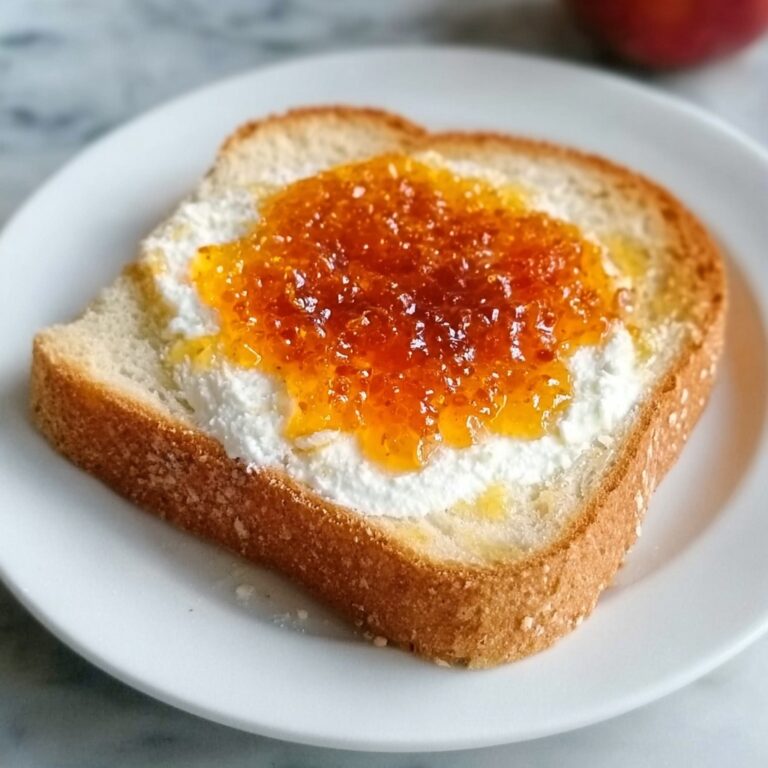
If you’ve ever savored a flaky, buttery crescent roll fresh from the oven and thought about how amazing it would be to make them at home, you are in for a treat! This Homemade Crescent Rolls Recipe brings that bakery magic straight to your kitchen with simple ingredients and a step-by-step process that turns out irresistibly soft, golden rolls. The joy of gently peeling apart a warm crescent roll, its tender layers melting in your mouth, makes this recipe a beloved classic to share with family and friends any day of the week.

Ingredients You’ll Need
The beauty of this recipe lies in its straightforward, pantry-friendly ingredients—each playing a key role in creating that perfect texture and rich flavor. Nothing fancy, just wholesome staples that blend beautifully to deliver these soft, flaky rolls.
- All-purpose flour: 4 cups plus extra for dusting to develop gluten and provide structure to the dough.
- Active dry yeast: 2 1/4 teaspoons (1 packet) to give the dough that light, airy rise and fluffy texture.
- Warm milk: 1 cup at about 110°F (43°C) to activate the yeast and hydrate the dough gently.
- Sugar: 1/4 cup adds a subtle sweetness and helps feed the yeast for a better rise.
- Butter: 1/2 cup melted plus extra for brushing, which provides richness and that signature tender crumb.
- Salt: 1 teaspoon balances the flavors and enhances the buttery goodness.
- Eggs: 2 large, lightly beaten, lend moisture and a lovely golden color to the rolls.
How to Make Homemade Crescent Rolls Recipe
Step 1: Activate the Yeast
Start by combining warm milk with sugar and sprinkling the active dry yeast on top. Let this mixture sit for 5 to 10 minutes until it becomes frothy, signaling that the yeast is alive and kicking—this is the secret to fluffy, tender rolls.
Step 2: Mix the Dough Ingredients
In a large bowl, whisk together 3 cups of the flour with the salt. Form a well in the center and add the melted butter, lightly beaten eggs, and the frothy yeast mixture. Stir everything together until a rough dough forms—this is where the magic begins to come together!
Step 3: Knead the Dough
Turn the dough onto a floured surface and knead it for about 5 to 7 minutes, adding the remaining flour gradually until the dough is smooth and elastic. A well-kneaded dough will spring back when pressed and is the foundation of those soft, layered rolls.
Step 4: Let the Dough Rise
Place the kneaded dough in a greased bowl, cover with a clean towel, and let it rise in a warm, draft-free spot until it doubles in size—this usually takes 1 to 1.5 hours. Patience here rewards you with perfectly airy dough.
Step 5: Shape the Crescents
Once risen, punch down the dough to release the air bubbles. Roll it out on a floured surface into a large circle about 1/4 inch thick. Cut the dough into 8 to 12 equal wedges. Take each wedge and roll it from the wide end toward the pointed tip to create that classic crescent shape.
Step 6: Second Rise on the Baking Sheet
Arrange your rolled crescents on a greased baking sheet, making sure to leave some space between them. Cover the tray loosely and let them rest and rise again for 30 to 45 minutes. This second rise adds the final lift for a pillowy texture.
Step 7: Prep to Bake
Preheat your oven to 375°F (190°C). Just before baking, brush the tops of the crescents generously with melted butter. This step ensures a beautiful golden crust that glistens after baking.
Step 8: Bake to Golden Perfection
Bake the rolls for 15 to 20 minutes until they are golden brown and make a hollow sound when tapped on the bottom. Let them cool just slightly so the layers set, then get ready to enjoy the fruits of your labor!
How to Serve Homemade Crescent Rolls Recipe

Garnishes
While these rolls are heavenly on their own, a sprinkle of coarse sea salt or a dusting of freshly grated Parmesan can add a savory touch. For a touch of sweetness, try brushing with honey butter right out of the oven—pure comfort in every bite.
Side Dishes
Homemade crescent rolls pair wonderfully with a variety of dishes: think alongside hearty soups like tomato bisque or chicken noodle, served with a fresh garden salad, or accompanying a rich holiday roast. Their buttery softness complements almost any meal beautifully.
Creative Ways to Present
Get creative by using the crescent dough as a base for stuffed rolls filled with cheese, herbs, or even sweet jams before baking. You can braid a few rolls together for an eye-catching centerpiece or serve them warm in a decorative basket lined with a soft cloth for that inviting bakery vibe.
Make Ahead and Storage
Storing Leftovers
If you find yourself with extras, wrap the crescent rolls tightly in plastic wrap or store them in an airtight container. They keep well at room temperature for 1 to 2 days while maintaining softness and flavor.
Freezing
To enjoy these delicious rolls later on, freeze them fully cooled in a sealed freezer bag or container for up to 3 months. For best results, thaw overnight in the fridge before gently reheating to bring back that fresh-baked taste.
Reheating
Warm frozen or leftover crescent rolls by wrapping them in foil and placing them in a 350°F (175°C) oven for 10 to 15 minutes. This method restores their tender crumb and buttery aroma, making them taste freshly baked all over again.
FAQs
Can I use whole wheat flour instead of all-purpose flour?
Yes, you can substitute whole wheat flour but keep in mind the texture will be denser and the rolls less fluffy. Mixing whole wheat with all-purpose flour is a great way to add nutrition without sacrificing too much softness.
How important is the temperature of the milk for activating yeast?
The milk should be warm but not hot—around 110°F (43°C) is ideal. Too hot can kill the yeast, and too cold won’t activate it properly, so use a thermometer or test the milk by touch to ensure the perfect temperature.
Can I prepare the dough the night before?
Absolutely! After the first knead, cover the dough tightly and refrigerate overnight. The slow rise will develop deep flavor, and you can shape and bake the rolls fresh the next day.
Is it necessary to brush the rolls with melted butter before baking?
While not mandatory, brushing with butter gives your crescent rolls that gorgeous golden color and enhances their rich, buttery flavor. It’s one of those little touches that take the homemade feel up a notch.
Why do my crescent rolls sometimes turn out tough?
Tough rolls often result from over-kneading or too much flour dusting. Be gentle when kneading and add flour gradually to keep the dough soft. Also, making sure the dough rises sufficiently helps keep rolls tender and light.
Final Thoughts
There is something truly rewarding about pulling freshly baked crescent rolls out of your own oven, knowing you crafted those delicate layers from scratch. This Homemade Crescent Rolls Recipe is more than just a side—it’s a small daily celebration of warmth and comfort that never goes out of style. So grab your ingredients, roll up your sleeves, and enjoy the wonderful process and delicious results with your loved ones!
Print
Homemade Crescent Rolls Recipe
- Prep Time: 45 minutes
- Cook Time: 20 minutes
- Total Time: 3 hours 30 minutes
- Yield: 8 servings
- Category: Bread
- Method: Baking
- Cuisine: American
Description
This homemade crescent rolls recipe yields soft, flaky, golden-brown rolls perfect for any meal or occasion. Made from scratch using simple ingredients like all-purpose flour, yeast, butter, and eggs, these rolls require some time for dough rising but are easy to prepare and bake. Their tender texture and buttery flavor make them a delightful accompaniment to soups, salads, or enjoyed on their own.
Ingredients
Dry Ingredients
- 4 cups all-purpose flour, plus extra for dusting
- 2 1/4 teaspoons active dry yeast (1 packet)
- 1/4 cup sugar
- 1 teaspoon salt
Wet Ingredients
- 1 cup warm milk (about 110°F or 43°C)
- 1/2 cup butter, melted (plus extra for brushing)
- 2 large eggs, lightly beaten
Instructions
- Activate the yeast: In a small bowl, mix warm milk with sugar and sprinkle the active dry yeast on top. Let this mixture sit for 5 to 10 minutes until it becomes frothy, indicating the yeast is active and ready.
- Mix the dough: In a large bowl, combine 3 cups of the flour with salt. Create a well in the center, then add melted butter, beaten eggs, and the activated yeast mixture. Stir these ingredients together until a rough dough starts to form.
- Knead the dough: Transfer the dough onto a floured surface and knead it while gradually adding the remaining flour. Continue kneading for about 5 to 7 minutes until the dough is smooth, elastic, and no longer sticky.
- First rise: Place the kneaded dough in a greased bowl and cover it with a clean towel or plastic wrap. Let it rise in a warm place until doubled in size, approximately 1 to 1.5 hours.
- Shape the crescents: After the dough has risen, punch it down to release air. Roll it out on a floured surface into a large circle about 1/4 inch thick. Cut the circle into 8 to 12 equal wedges. Starting from the wide end of each wedge, roll it towards the pointed end to form crescent shapes.
- Second rise: Arrange the rolled crescent pieces on a greased baking sheet. Cover them and let them rise again for 30 to 45 minutes until puffy.
- Prepare for baking: Preheat the oven to 375°F (190°C). Brush the tops of the crescent rolls with melted butter to enhance browning and flavor.
- Bake: Bake the crescent rolls in the preheated oven for 15 to 20 minutes until they turn golden brown and sound hollow when tapped. Allow them to cool slightly before serving.
Notes
- Ensure the milk is warm, not hot, to properly activate the yeast without killing it.
- If the dough is too sticky while kneading, sprinkle additional flour a little at a time.
- Letting the dough rise in a warm, draft-free environment speeds up the fermentation process.
- Brush with butter again right after baking for extra shine and softness (optional).
- These crescent rolls can be frozen after the second rise; thaw and bake when needed.
- For a richer flavor, substitute some of the milk with cream or add a teaspoon of vanilla extract.