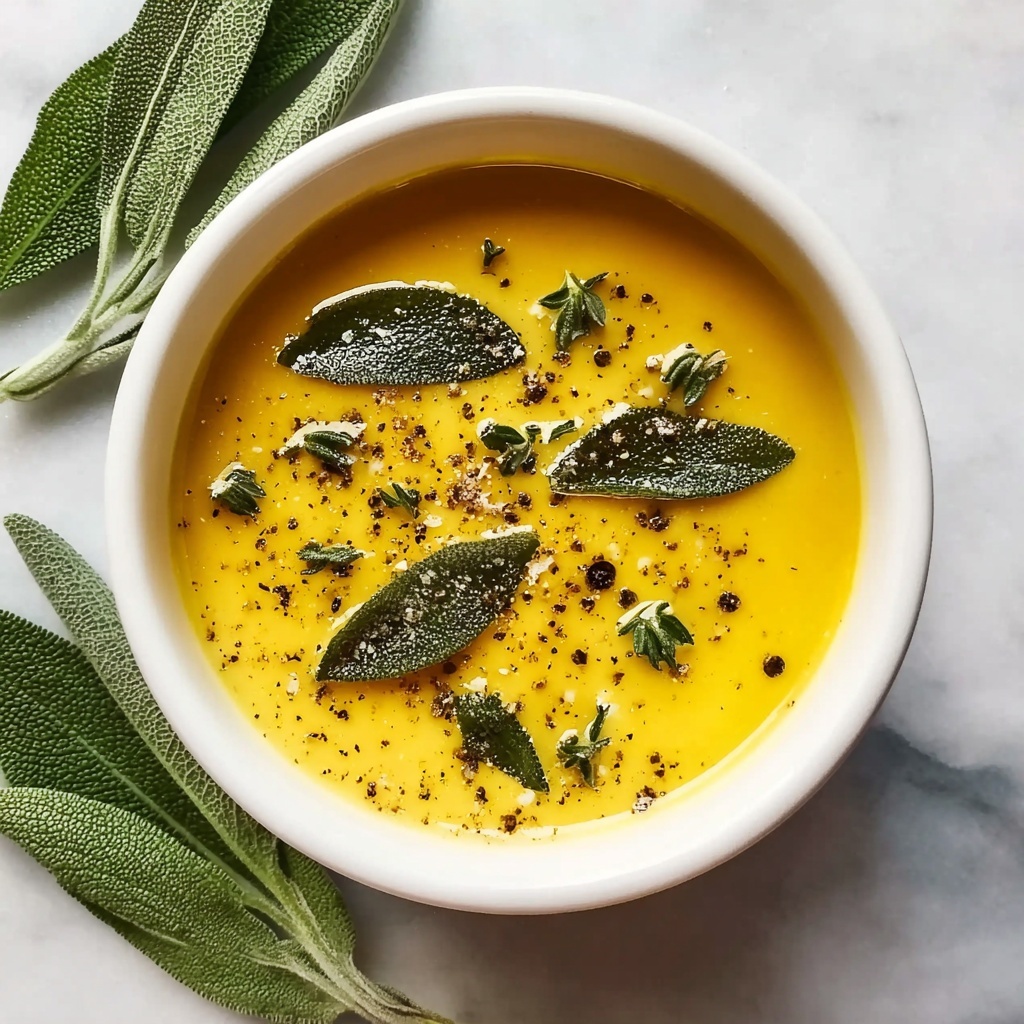
If you have ever wished for a sauce that is simple to prepare yet bursts with aromatic herbal goodness, then this Sage Butter Sauce Recipe is your new best friend in the kitchen. With just a few ingredients, it effortlessly transforms any dish into something special by marrying the rich, nutty flavor of browned butter with the earthy brightness of fresh sage. Whether drizzled over pasta, spooned onto seared meats, or paired with roasted vegetables, this sauce delivers a cozy, flavorful hug that will quickly become a staple on your dinner table.
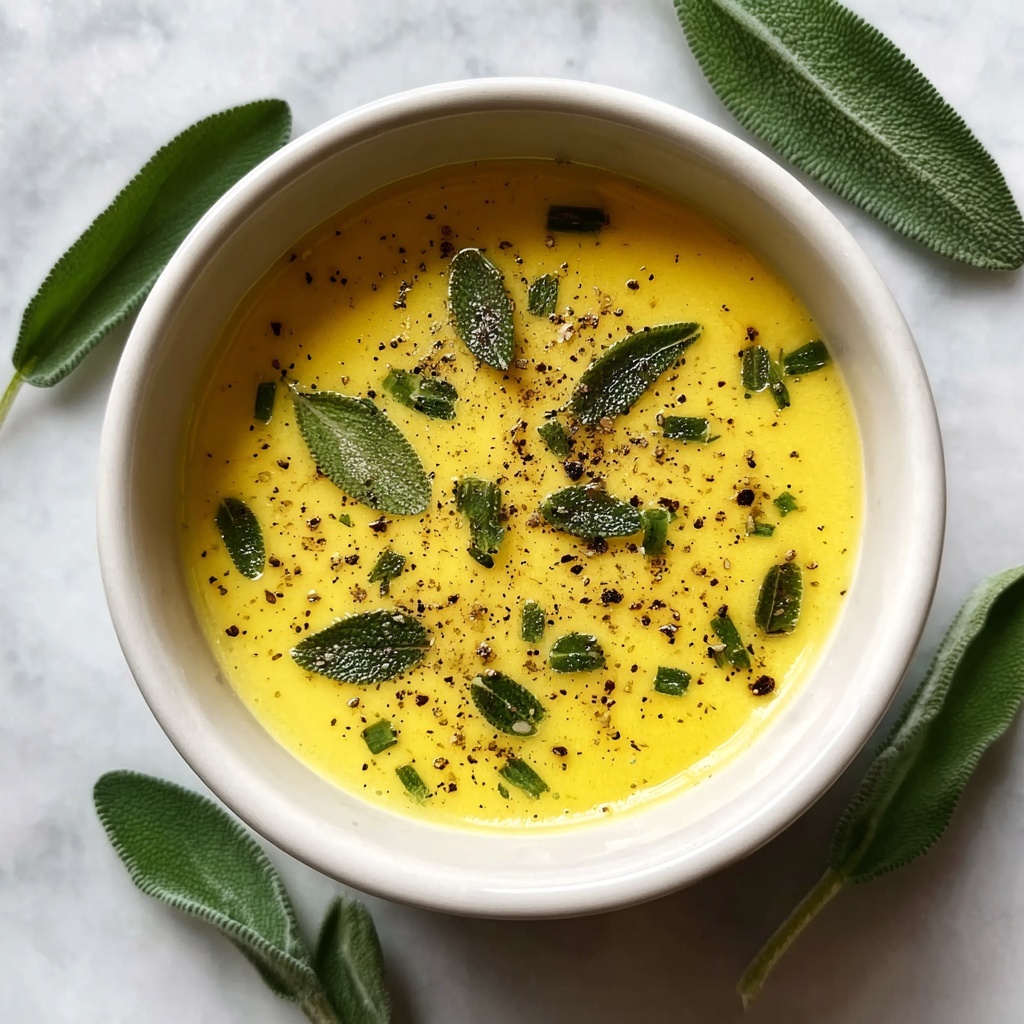
Ingredients You’ll Need
Getting the ingredients together for this sauce is delightfully straightforward, yet each plays a vital role in creating the perfect balance of flavors and textures. The freshness of sage contrasts beautifully with the creamy depth of butter, while just a pinch of salt and pepper rounds everything out.
- 6 tbsp unsalted butter: The base of the sauce, providing richness and that signature nutty browned butter flavor when cooked carefully.
- 4 tbsp fresh sage leaves or 4 tsp dried sage: Fresh leaves add vibrant aroma and texture, while dried sage offers a more concentrated flavor.
- Salt, to taste: Enhances all the flavors without overpowering the delicate sage.
- Pepper, to taste: Adds a subtle warmth and complexity to the sauce.
- 1 clove garlic, minced (optional): A gentle hint of garlic adds depth, but it’s totally optional if you prefer the pure sage and butter combination.
How to Make Sage Butter Sauce Recipe
Step 1: Prepare the Sage
Begin by rinsing your sage leaves under cold water to remove any dirt or impurities. Remove the leaves carefully from their stems, discarding the stems as they can be tough and bitter. Chop the leaves finely with a sharp knife; this helps release the herb’s natural oils for maximum flavor infusing into the butter.
Step 2: Slowly Melt the Butter
Cut the butter into smaller pieces to promote even melting. Place it in a medium-sized frying pan over medium heat. Allow the butter to melt gently, stirring occasionally as it turns a golden, light brown color. This process brings out a delightful nutty aroma and flavor that is key to the sauce’s depth. Keep watch closely since butter can quickly move from browned to burnt, and once golden, immediately remove from heat to prevent burning.
Step 3: Infuse the Butter with Sage
Add your chopped sage leaves straight into the browned butter. Stir continuously to evenly distribute the sage, cooking gently for 2 to 4 minutes. This step allows the sage’s fragrance and flavor to mingle beautifully with the warm, nutty butter. Keep stirring to avoid burning the herbs — your kitchen will start smelling absolutely irresistible!
Step 4: Season and Add Garlic (If Using)
Remove the pan from the heat. Season your sauce with salt and pepper to taste, adjusting the balance based on your preferences. If you opted for garlic, stir in the minced clove at this stage for an extra layer of savory complexity. Then your classic Sage Butter Sauce Recipe is ready to be poured over your favorite dishes for an unforgettable dining experience.
How to Serve Sage Butter Sauce Recipe
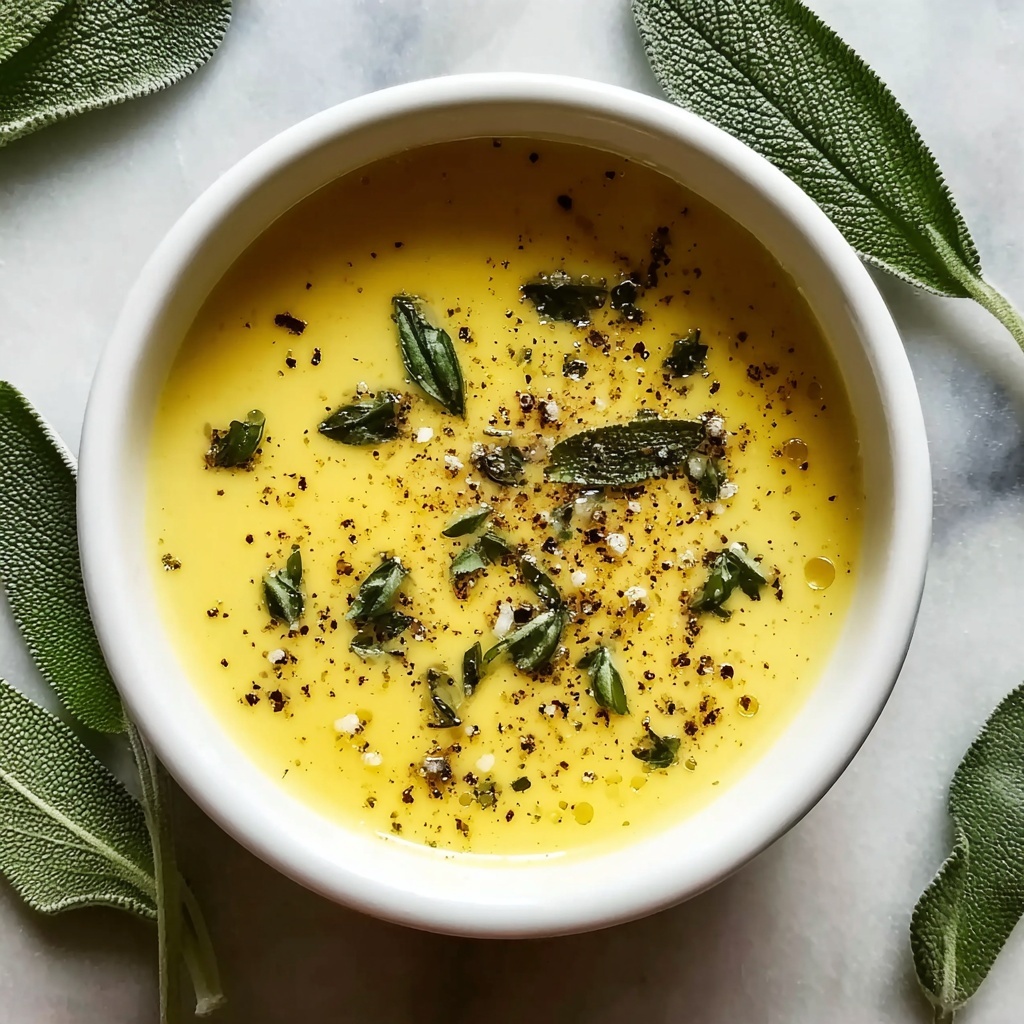
Garnishes
While the sauce shines all on its own, consider adding a sprinkle of freshly grated Parmesan or toasted pine nuts on top for added texture and flavor contrast. A few whole sage leaves fried in the buttery sauce until crispy make a stunning garnish that adds a delicate crunch and visual appeal.
Side Dishes
This sauce pairs wonderfully with simple sides that let its flavor pop, such as garlic mashed potatoes, roasted root vegetables, or buttered noodles. It’s equally delightful drizzled over seared chicken breasts, pan-fried fish, or alongside pork chops — the rich butter and aromatic sage elevate these dishes effortlessly.
Creative Ways to Present
For a show-stopping presentation, swirl the sage butter sauce over gnocchi or use it as a drizzle on artisanal flatbreads topped with mozzarella and caramelized onions. You might even toss it with roasted Brussels sprouts or drizzle over grilled peaches for a surprising, sweet-savory twist. The versatility of this Sage Butter Sauce Recipe invites you to experiment and customize.
Make Ahead and Storage
Storing Leftovers
If you happen to have any leftover sauce, store it in an airtight container in the refrigerator for up to 3 days. The butter will solidify, but the flavors will hold beautifully, making it easy to reheat and enjoy without any loss of quality.
Freezing
This sauce can also be frozen, although the texture may change slightly upon thawing. Pour the cooled sauce into ice cube trays for convenient portioning, freeze, then transfer the cubes to a freezer-safe bag. Use within 1 month for the best flavor retention.
Reheating
Reheat gently over low heat in a small pan, stirring frequently to reincorporate the butter’s fats and prevent scorching. Avoid high heat, which can cause the sauce to separate or burn, ensuring your Sage Butter Sauce Recipe retains its silky texture and inviting aroma.
FAQs
Can I use dried sage instead of fresh in this recipe?
Absolutely! While fresh sage provides a brighter, more vibrant flavor, dried sage is a great substitute and imparts a more concentrated, earthy tone. Use about one-third the amount if substituting dried for fresh to avoid overpowering the sauce.
Is it necessary to brown the butter for this sauce?
Yes, browning the butter is what gives the sauce its characteristic nutty aroma and robust flavor. Don’t rush the process — slow and steady melting allows the milk solids in the butter to toast evenly, making all the difference in taste.
Can I add garlic to the Sage Butter Sauce Recipe?
You definitely can! Minced garlic adds an extra layer of savory depth, but it’s optional if you prefer the pure taste of sage and browned butter. Add it toward the end of cooking so it remains fragrant without burning.
What dishes pair best with Sage Butter Sauce?
The sauce is incredibly versatile, but it’s especially delicious drizzled over pastas, gnocchi, grilled chicken, pork chops, or roasted vegetables. It’s a fantastic way to elevate simple meals into something special.
How do I prevent the sage from burning in the sauce?
The key is to cook the sauce over medium heat and keep stirring constantly after adding the sage leaves. Remove the pan from heat as soon as the butter is browned and the sage is fragrant, which usually takes just a few minutes.
Final Thoughts
If you want to impress without spending hours in the kitchen, this Sage Butter Sauce Recipe is a game-changer. Its warm, comforting flavors uplift a variety of dishes with minimal effort and maximum taste. Whip up a batch the next time you need something quick but incredibly satisfying — I promise you’ll keep coming back for more!
Print
Sage Butter Sauce Recipe
- Prep Time: 5 minutes
- Cook Time: 10 minutes
- Total Time: 15 minutes
- Yield: 4 servings
- Category: Sauce
- Method: Frying
- Cuisine: Italian
Description
A simple and flavorful Sage Butter Sauce recipe that brings a rich, nutty aroma and fresh herbaceous taste to enhance pasta, meats, or grilled dishes. Made with browned butter and fresh or dried sage, this sauce is quick to prepare and adds a gourmet touch to any meal.
Ingredients
Ingredients
- 6 tbsp unsalted butter, cut into pieces
- 4 tbsp fresh sage leaves or 4 teaspoons dried sage
- Salt, to taste
- Pepper, to taste
- 1 clove garlic, minced (optional)
Instructions
- Clean and chop the sage leaves: Rinse the sage leaves under cold water. Remove the leaves from the stems and discard the stems. Chop the sage leaves into fine pieces using a sharp knife.
- Melt the butter in a pan: Cut the butter into slices to ensure even melting. Add the butter to a medium-sized frying pan over medium heat. Melt the butter slowly, cooking until it turns a light brown and develops a nutty aroma, about 3-5 minutes. Watch closely to prevent burning; remove from heat once the desired color and aroma are achieved.
- Add the sage to the pan: Incorporate the chopped sage leaves into the melted butter. Continue stirring and cooking for an additional 2 to 4 minutes, ensuring the sage releases flavor into the butter. Keep stirring constantly to prevent burning and ensure even cooking.
- Season and serve: Remove the pan from heat. Season the sauce with salt and pepper to taste. If desired, add minced garlic for extra flavor. Serve immediately over pasta, meat, grilled chicken, or fish, adjusting seasonings as needed.
Notes
- Use fresh sage leaves for the best flavor, but dried sage works as a substitute.
- Watch the butter carefully as it browns quickly and can burn easily.
- The garlic is optional and can be added at the end to avoid overpowering the sage flavor.
- This sauce pairs wonderfully with gnocchi, ravioli, roasted vegetables, and roasted meats.
- Prepare the sauce just before serving to enjoy the fresh aroma and flavor.