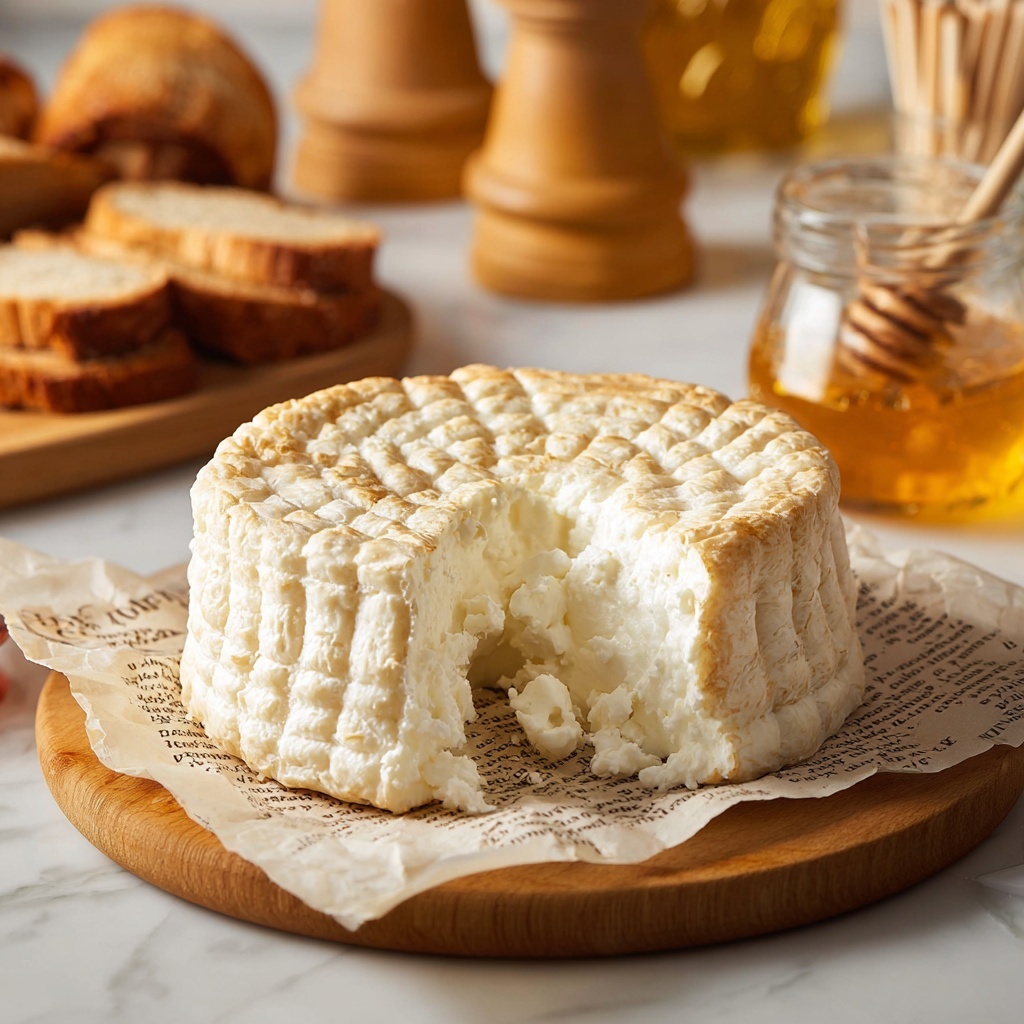
If you have ever dreamed of creating a luscious, creamy cheese that’s entirely plant-based, then you are going to love this Vegan Ricotta Cheese Tutorial Recipe. It’s a true game-changer for anyone looking to enjoy a dairy-free alternative that doesn’t compromise on that rich, satisfying texture and tangy flavor. With simple ingredients like cashews, soy milk, and vegan yogurt, this recipe lovingly transforms everyday pantry staples into a velvety bliss that will elevate your dishes from ordinary to extraordinary. Whether you’re layering it in lasagna or dolloping it on toast, this vegan ricotta cheese will quickly become your go-to staple.
Ingredients You’ll Need
What’s amazing about this Vegan Ricotta Cheese Tutorial Recipe is how straightforward and wholesome the ingredients are. Each one plays a vital role: from the creamy cashews that form the base, to the tangy vegan yogurt and lemon juice that provide depth and brightness, every element harmonizes beautifully.
- Cashews (100 g, soaked): Soaking softens them perfectly, ensuring a smooth and rich texture.
- Unsweetened soy milk (1250 ml): Adds a neutral creaminess that blends everything together without overpowering flavors.
- Greek-style vegan yogurt (225 g): This thick, protein-rich yogurt gives tang and creaminess to mimic traditional ricotta.
- Sea salt (½ teaspoon): Enhances all the flavors and balances the acidity.
- Freshly squeezed lemon juice (3 tablespoons): Provides brightness and helps the curdling process.
- Apple cider vinegar (3 tablespoons): Adds a gentle acidity, making the cheese taste authentically sharp and fresh.
How to Make Vegan Ricotta Cheese Tutorial Recipe
Step 1: Blend the Base
Start by adding the soaked and drained cashews, unsweetened soy milk, Greek-style vegan yogurt, and sea salt into a high-speed blender. Blend it for about one minute until the mixture is completely smooth. This step is crucial as it sets the creamy foundation for the ricotta, ensuring no graininess remains and that every bite melts delightfully on your tongue.
Step 2: Heat and Stir
Transfer the blended mixture to a deep pan or wok and place it on low-medium heat. Slowly warm it to around 90°C (194°F), stirring frequently until it reaches and holds that temperature for about one minute. Expect this part to take roughly 20 minutes. Heating helps activate the thickening process and incorporates all those beautiful flavors into a cohesive, cheese-like consistency.
Step 3: Add the Acids to Curdle
Remove the pan from heat, then gently stir in the freshly squeezed lemon juice and apple cider vinegar. This is the magic moment when the mixture begins to curdle, transforming into soft curds you’d recognize in classic ricotta. Allow it to sit undisturbed for 20 minutes, letting nature do its work and form those luscious curds that give the cheese its characteristic texture.
Step 4: Strain and Mold
Place a cheese mold on top of a colander set over a large bowl to catch any liquid. Using a small sieve, carefully scoop and transfer the curds into the mold, filling it to the top. Give it a gentle stir within the mold to release excess liquid and make space for more curds. Fill up the mold completely, then refrigerate for at least 8 hours or overnight to let the ricotta firm up beautifully. Don’t toss the leftover liquid—it’s a silky light cream perfect for enhancing smoothies, soups, or stir-fries.
Step 5: De-mold and Store
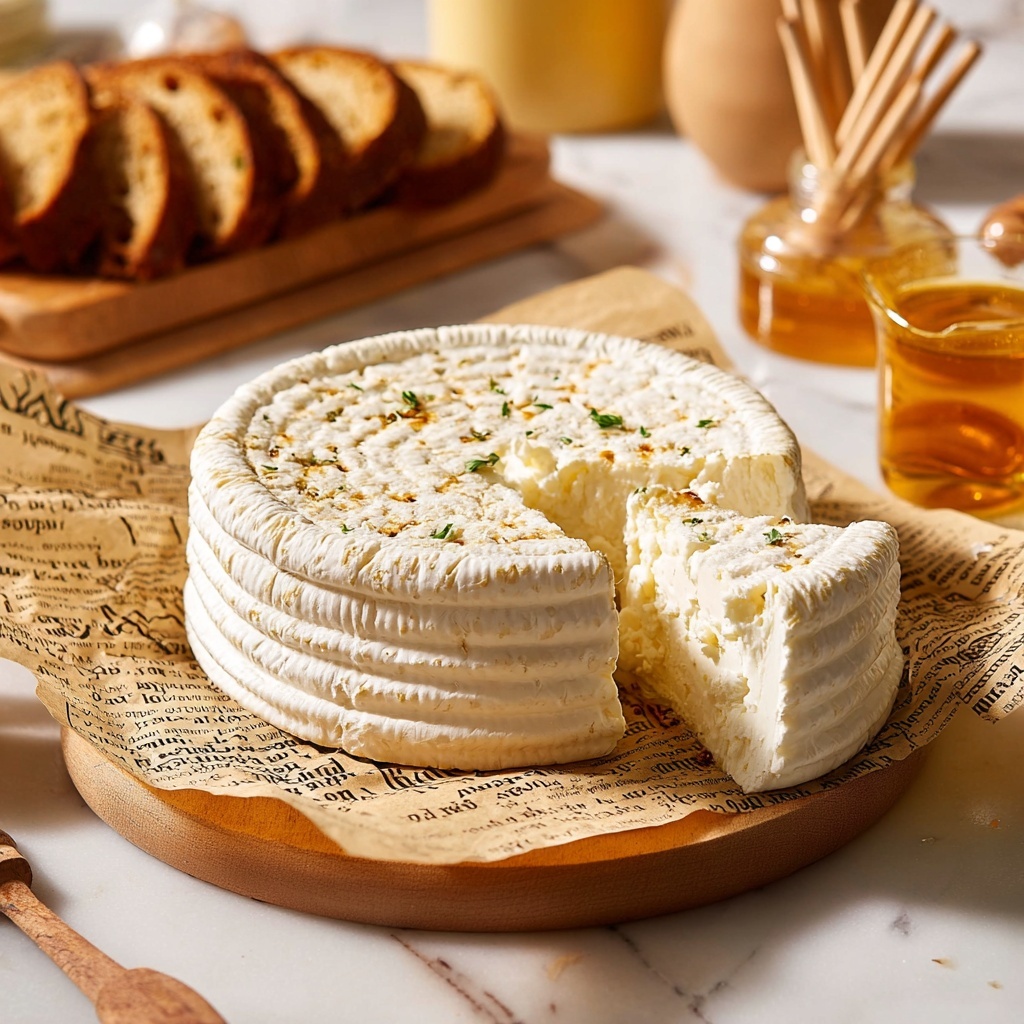
Once chilled, grab the top of the cheese mold with a kitchen towel and carefully flip it onto a plate or into a storage container. Your homemade vegan ricotta is ready to enjoy or store. Keep it sealed in an airtight container in the fridge for up to 3-4 days for peak freshness.
How to Serve Vegan Ricotta Cheese Tutorial Recipe
Garnishes
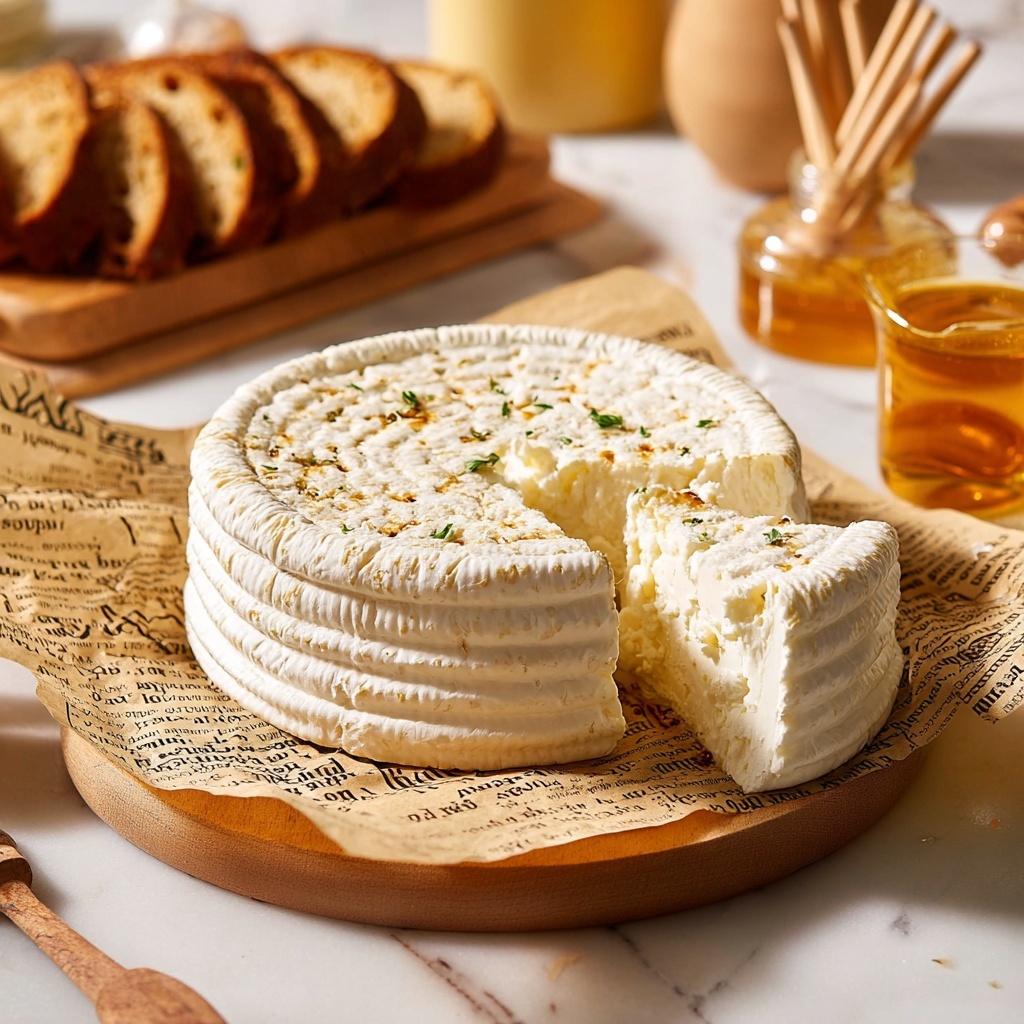
For a simple yet stunning presentation, sprinkle your vegan ricotta with freshly chopped herbs like basil, parsley, or chives. A drizzle of good quality olive oil and a crack of black pepper instantly elevate this cheese to a delightful appetizer or topping.
Side Dishes
This ricotta pairs beautifully with warm crusty bread, grilled vegetables, or as a creamy layer within pasta dishes such as the classic lasagna. Its gentle tanginess complements roasted tomatoes and fresh greens marvelously, making it a versatile companion to many meals.
Creative Ways to Present
Why not dollop vegan ricotta on pizza just before serving, swirl it into soups for extra creaminess, or use it as a filling for stuffed pasta shells or vegan ravioli? This Vegan Ricotta Cheese Tutorial Recipe invites endless culinary creativity that will impress both vegans and non-vegans alike.
Make Ahead and Storage
Storing Leftovers
Keep your vegan ricotta in an airtight container in the refrigerator, where it stays fresh and creamy for up to 3-4 days. Always use a clean spoon to avoid introducing bacteria and maintain its lovely texture.
Freezing
You can freeze this ricotta, but with some texture changes. Freeze it in portions inside freezer-safe containers or bags for up to 2 months. When thawed, you may notice a slight graininess, so it’s perfect for cooked dishes rather than eating fresh.
Reheating
When reheating, do so gently over low heat or by stirring it into warm dishes like pasta or casseroles. Avoid high heat to prevent any separation; this ricotta shines best when warmed carefully or enjoyed cold.
FAQs
Can I use almonds instead of cashews in this Vegan Ricotta Cheese Tutorial Recipe?
Almonds can be used but will yield a firmer, slightly grainier texture and a different flavor profile. Cashews remain the gold standard for achieving that classic creamy ricotta feel.
Do I really need to use vegan yogurt?
The Greek-style vegan yogurt is important because it adds acidity and body, which is essential for the ricotta’s authentic tang and creaminess. Plain plant-based yogurt with similar thickness can work as a substitute.
Why is soaking cashews necessary?
Soaking softens the cashews so they blend into a smooth, creamy consistency without gritty bits. It also helps with easier digestion and enhances the final texture of the cheese.
Can I use plant milks other than soy?
Soy milk works best due to its protein content which helps in curd formation. Other plant milks like almond or oat may not yield the same results, but experimenting is encouraged if you prefer those options.
Is this recipe suitable for people with nut allergies?
Unfortunately, cashews are central to this recipe, so it’s not suitable for those with nut allergies. However, there are other nut-free vegan ricotta recipes you might want to explore made from tofu or cauliflower.
Final Thoughts
Making your own vegan ricotta cheese at home might sound ambitious, but this Vegan Ricotta Cheese Tutorial Recipe makes it accessible, fun, and incredibly rewarding. With just a handful of wholesome ingredients and some patience, you’ll have a luscious cheese that brings warmth and deliciousness to any dish. Trust me, once you try this, you’ll wonder how you ever lived without it in your kitchen!
Print
Vegan Ricotta Cheese Tutorial Recipe
- Prep Time: 10 minutes (plus 8 hours soaking time for cashews and 8 hours chilling time)
- Cook Time: 30 minutes (20 minutes heating + 1 minute cooking + 20 minutes curdling time)
- Total Time: 8 hours 40 minutes (including chilling and soaking times)
- Yield: 8 servings
- Category: Cheese
- Method: Stovetop
- Cuisine: Vegan
- Diet: Vegan
Description
This vegan ricotta cheese recipe creates a creamy, tangy, and versatile plant-based cheese using soaked cashews, unsweetened soy milk, and Greek-style vegan yogurt. Heated gently and set in a mold, the cheese is perfect for use in a variety of dishes as a dairy-free alternative to traditional ricotta.
Ingredients
Ingredients
- 100 g cashews (soaked, see note 1)
- 1250 ml unsweetened soy milk
- 225 g Greek-style vegan yogurt (such as Alpro Greek-Style protein yogurt)
- ½ teaspoon sea salt
- 3 tablespoons freshly squeezed lemon juice
- 3 tablespoons apple cider vinegar
Instructions
- Blend Ingredients: Add the soaked and drained cashews, soy milk, vegan yogurt, and sea salt to a high-speed blender. Blend for about one minute until the mixture is completely smooth and well combined.
- Heat Mixture: Transfer the blended mixture to a large deep frying pan, wok, or deep saucepan. Place the pan over low-medium heat and slowly heat the mixture until it reaches 90°C (194°F). Maintain this temperature and cook for 1 minute, stirring frequently. This step takes approximately 20 minutes and helps thicken and activate the curdling process.
- Add Acid and Curdle: Remove the pan from heat and stir in the freshly squeezed lemon juice and apple cider vinegar. Allow the mixture to sit undisturbed for 20 minutes so it can curdle properly, forming the cheese curds.
- Mold the Cheese: Position a cheese mold on top of a colander placed over a large mixing bowl to catch the liquid whey. Using a small sieve, scoop the curdled mixture into the cheese mold until full. Gently stir the curds inside the mold to release excess liquid and create space, then fill with the remaining curds. Cover and refrigerate for 8 hours or overnight to allow the cheese to firm and strain fully.
- Demold: After chilling, carefully grab the top of the mold using kitchen roll or a clean kitchen towel and invert it onto a plate or storage container to release the shaped ricotta.
- Store: Transfer the vegan ricotta cheese to an airtight container and refrigerate. It will keep fresh for 3-4 days.
Notes
- Soak cashews for at least 4 hours or overnight for best results in blending and creaminess.
- The leftover liquid whey can be saved and used in smoothies, soups, or stir-fries to reduce waste and add nutrition.
- Maintaining the temperature at 90°C is critical to achieve proper thickening without cooking the mixture too fast.
- Use a high-speed blender to ensure a smooth texture free of lumps.
- This recipe is naturally vegan and free from dairy ingredients.