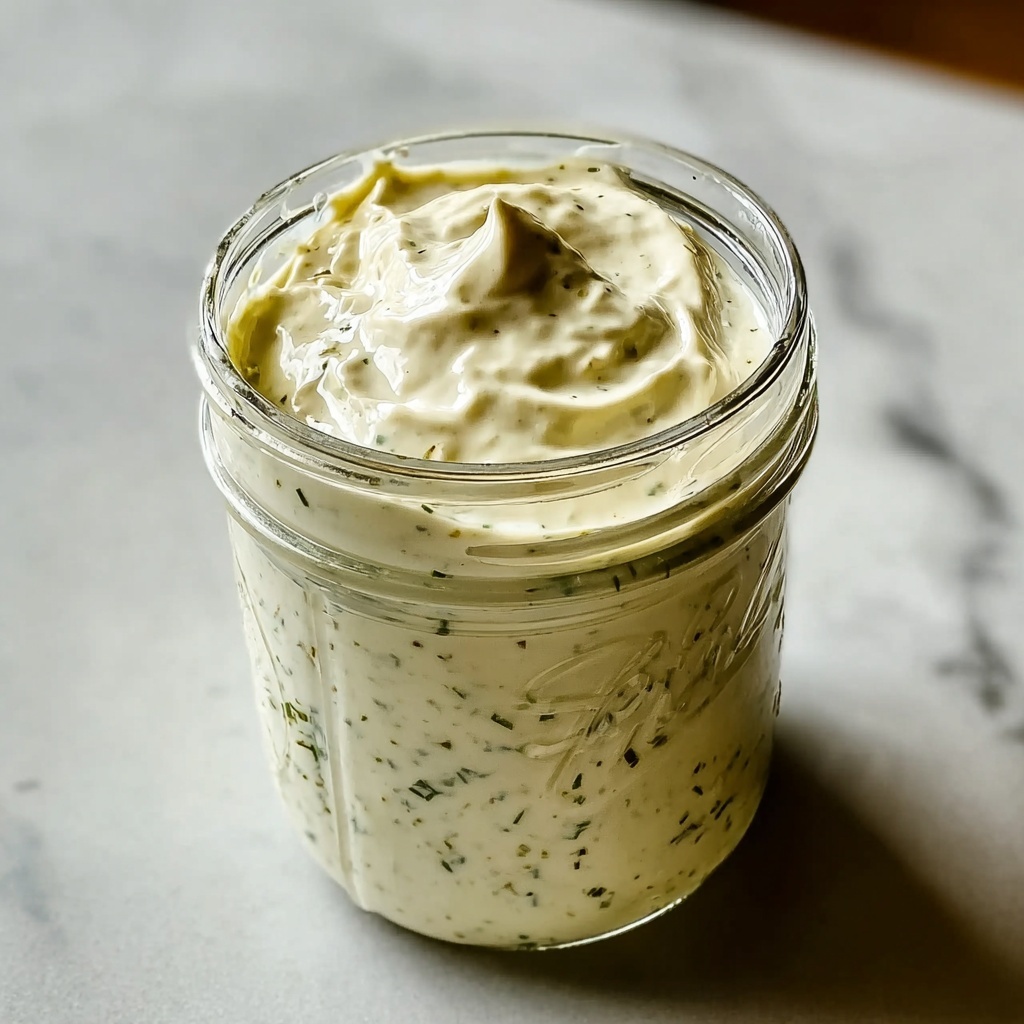
If you love the burst of fresh flavors in a Greek salad but crave something a little richer and more velvety, this Creamy Greek Salad Dressing Recipe is about to become your new best friend. It transforms simple ingredients into a luscious dressing that beautifully coats your veggies, bringing a zesty, tangy, and herbal lift to every bite. Not only is it incredibly easy to make, but it also brings a homemade charm that store-bought dressings just can’t match. Get ready to elevate your salads with a creamy texture and classic Greek flair that will have you reaching for seconds.
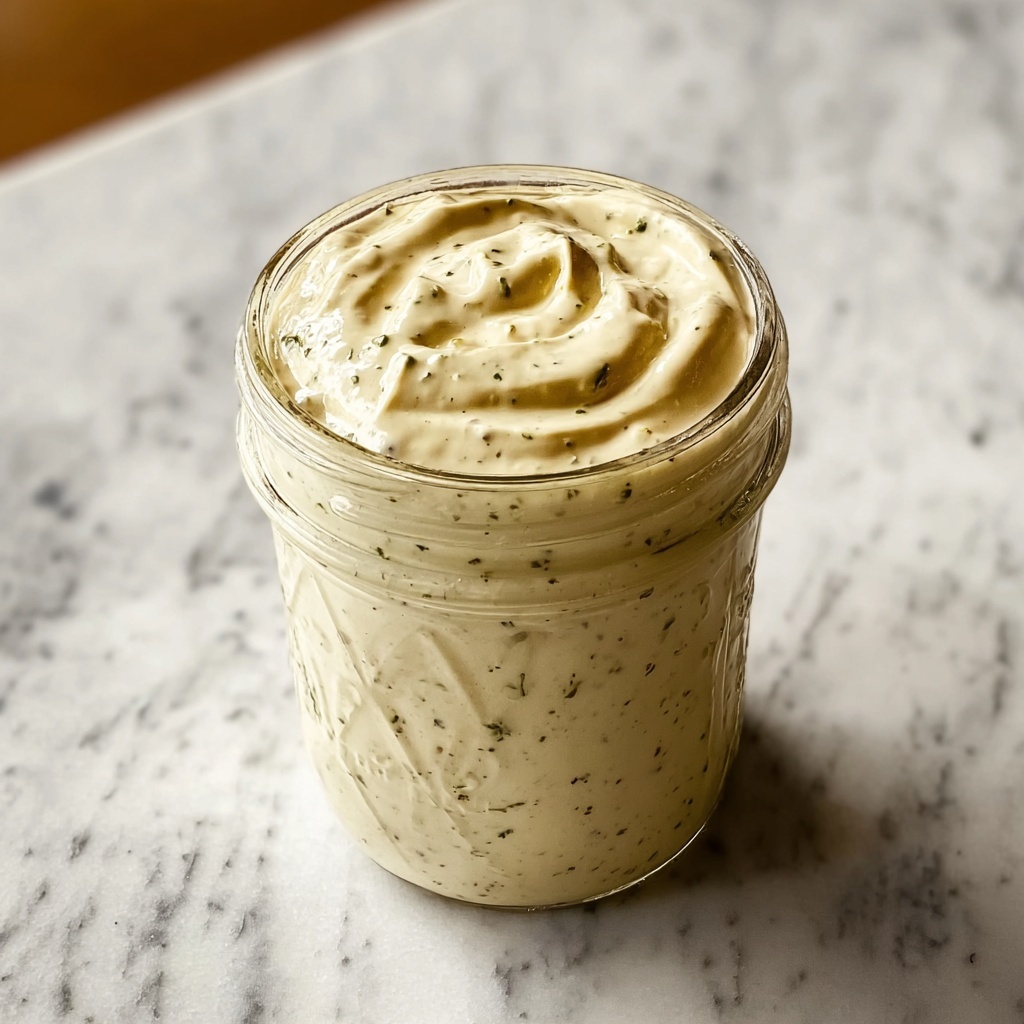
Ingredients You’ll Need
This Creamy Greek Salad Dressing Recipe is all about simplicity meeting flavor. Each ingredient plays a vital role in creating a perfectly balanced dressing that’s rich yet refreshing, tangy yet smooth. Let’s break down what you’ll need:
- 1 large egg, at room temperature: Acts as the natural emulsifier to create that silky, creamy texture essential to the dressing.
- 2 teaspoons Dijon mustard: Adds a subtle sharpness and helps stabilize the dressing during blending.
- ½ teaspoon salt: Enhances all the flavors and balances the acidity.
- ¼ teaspoon black pepper: Gives a mild kick that complements the herbs perfectly.
- ¾ cup canola oil: The neutral oil creates the smooth body, letting the herbs and citrus shine without overpowering.
- 1 tablespoon lemon juice: Brightens the dressing with fresh acidity, perfect for cutting through the creaminess.
- 1 teaspoon garlic powder: Imparts that classic Greek flavor in a gentle, well-rounded way.
- ½ teaspoon dried oregano: Brings in the earthy, aromatic herb that defines Greek cuisine.
How to Make Creamy Greek Salad Dressing Recipe
Step 1: Combine the base ingredients
Start by adding the egg, Dijon mustard, salt, black pepper, lemon juice, garlic powder, and dried oregano into your blender or food processor. This mixture serves as the flavorful foundation on which your creamy dressing will build.
Step 2: Blend on low speed
Pulse the ingredients on a low speed until everything is just combined. This step ensures the seasonings and acid meld nicely before the oil is added, setting the stage for a perfect emulsion.
Step 3: Slowly drizzle in the canola oil
With the mixer running, gradually pour the canola oil in a thin, steady stream. This slow addition is key to emulsifying the oil with the other ingredients. You’ll notice the dressing beginning to thicken and take on that dreamy creamy consistency.
Step 4: Taste and adjust
Once fully emulsified, give your dressing a taste. Here’s the moment to tweak seasonings—maybe a touch more salt, a dash more lemon juice, or extra garlic powder to suit your palate.
Step 5: Store properly
Transfer the dressing to an airtight jar or container and refrigerate. This keeps your creamy Greek salad dressing fresh and ready to drizzle over your salads throughout the week.
How to Serve Creamy Greek Salad Dressing Recipe
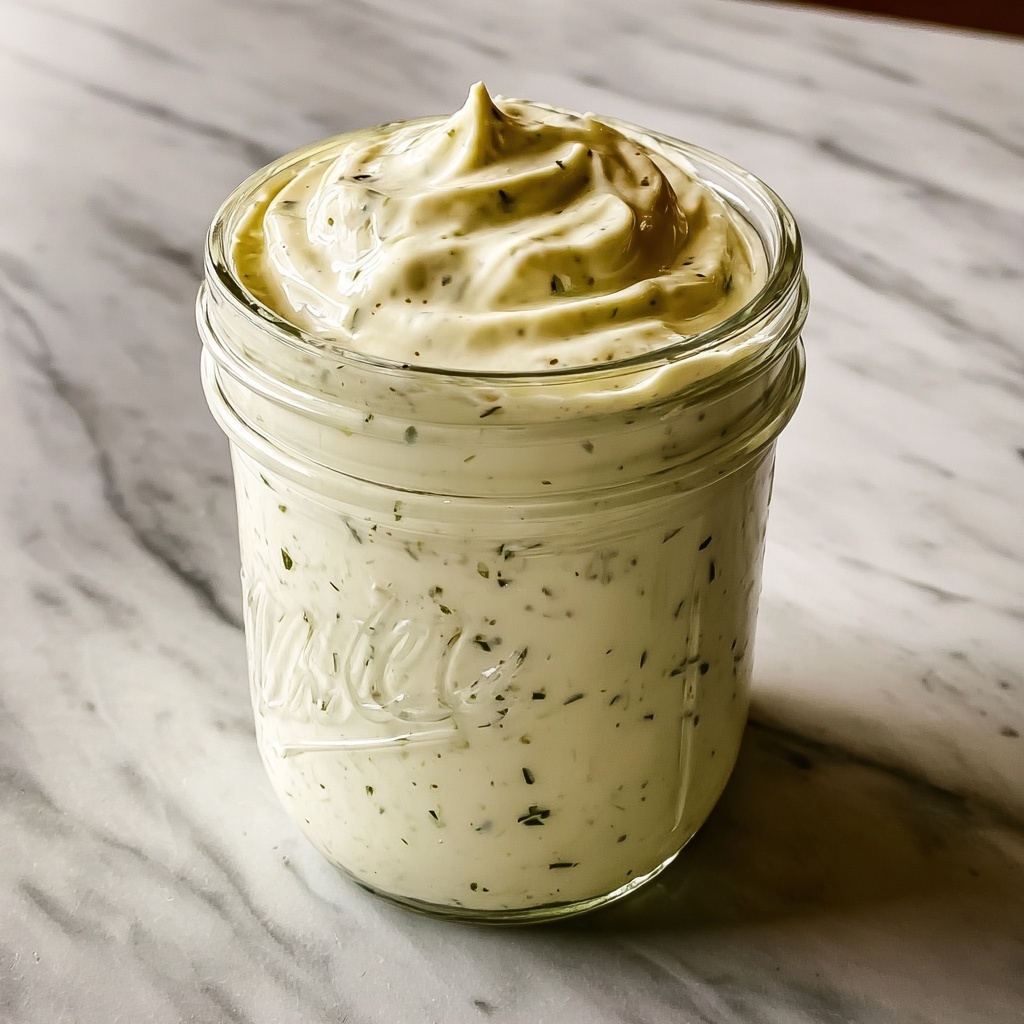
Garnishes
For a charming finish, sprinkle freshly chopped parsley or a pinch of extra dried oregano over salads dressed with this creamy blend. A few crumbles of feta cheese or sliced Kalamata olives add authentic Greek touches that brighten the whole presentation.
Side Dishes
This dressing pairs beautifully with classic Greek sides like warm pita bread, grilled chicken souvlaki, or even roasted vegetables. It’s the perfect dipping sauce or salad topper that complements Mediterranean-inspired meals effortlessly.
Creative Ways to Present
Try using this creamy Greek salad dressing as a spread on wraps or sandwiches for a zesty twist, or drizzle over grilled seafood for a burst of bright, herbal flavor. Even roasted potatoes love a splash of this tangy dressing, making your meals more vibrant and exciting.
Make Ahead and Storage
Storing Leftovers
You can keep leftover creamy Greek salad dressing in the refrigerator for up to one week when stored in an airtight container. Always give it a gentle stir before using since natural separation might occur.
Freezing
Freezing this dressing isn’t recommended because the texture may change once thawed, turning grainy or watery. Fresh is best to maintain that perfect creamy consistency everyone loves.
Reheating
Since this dressing is typically served cold or at room temperature, reheating isn’t necessary. Just pull it out of the fridge, stir, and it’s ready to enhance your salads or dishes.
FAQs
Can I use olive oil instead of canola oil?
Yes, though olive oil has a stronger flavor and can make the dressing more robust. If you prefer a milder taste, stick with canola oil or use light olive oil.
Is it safe to use raw egg in this dressing?
Using fresh, properly handled eggs reduces any risk. If you’re concerned, pasteurized eggs are a great alternative that deliver the same creamy emulsification safely.
How long does the dressing last?
Stored in the refrigerator, it stays fresh for up to one week. Always check for any off smells or separation before using.
Can I add fresh herbs instead of dried oregano?
Absolutely! Fresh oregano or even fresh dill can add wonderful brightness. Just use about three times the amount of fresh herbs in place of dried, as they are less concentrated.
Is this dressing suitable for salads beyond Greek salad?
Definitely! This creamy Greek salad dressing is versatile enough to complement leafy greens, grain bowls, and even roasted vegetables, adding a tangy kick to a variety of dishes.
Final Thoughts
I cannot recommend this Creamy Greek Salad Dressing Recipe enough if you’re looking for a simple yet sensational way to elevate your salads. Its perfect balance of creaminess, zesty lemon, and classic Greek herbs truly brings a restaurant-quality touch to your table. Give it a try, and you might just find it becoming your go-to dressing for everything from fresh greens to grilled veggies. Once you make it, you’ll wonder how you ever did without it!
Print
Creamy Greek Salad Dressing Recipe
- Prep Time: 5 minutes
- Cook Time: 0 minutes
- Total Time: 5 minutes
- Yield: 1 serving
- Category: Salad Dressing
- Method: Blending
- Cuisine: Greek
Description
This creamy Greek salad dressing combines tangy lemon juice, aromatic garlic, and oregano with a smooth, emulsified base of egg and canola oil. Perfectly balanced with Dijon mustard and spices, it’s a quick and delicious way to elevate any salad with authentic Mediterranean flavors.
Ingredients
For the Dressing
- 1 large egg, at room temperature
- 2 teaspoons Dijon mustard
- ½ teaspoon salt
- ¼ teaspoon black pepper
- ¾ cup canola oil
- 1 tablespoon lemon juice
- 1 teaspoon garlic powder
- ½ teaspoon dried oregano
Instructions
- Combine Ingredients: Add the egg, Dijon mustard, salt, black pepper, lemon juice, garlic powder, and dried oregano into a blender or food processor to prepare for emulsification.
- Blend Initial Mixture: Blend on low speed until all the ingredients are evenly combined, ensuring a smooth base for the dressing.
- Emulsify Dressing: With the blender running, slowly drizzle the canola oil in a steady thin stream, allowing it to fully incorporate and thicken the dressing into a creamy emulsified texture.
- Taste and Adjust: Sample the dressing and adjust seasoning as needed to achieve the desired balance of flavors.
- Store: Transfer the dressing to a jar or airtight container and refrigerate. Use within one week for optimal freshness and flavor.
Notes
- Use a fresh, room-temperature egg for best emulsification results.
- You can substitute canola oil with extra virgin olive oil for a richer flavor, but it may alter the dressing’s texture.
- This dressing keeps well in the refrigerator for up to 7 days; always shake or stir before use as ingredients may separate.
- For a vegan version, consider using aquafaba or plant-based mayonnaise as an egg substitute, although flavor and texture will differ.