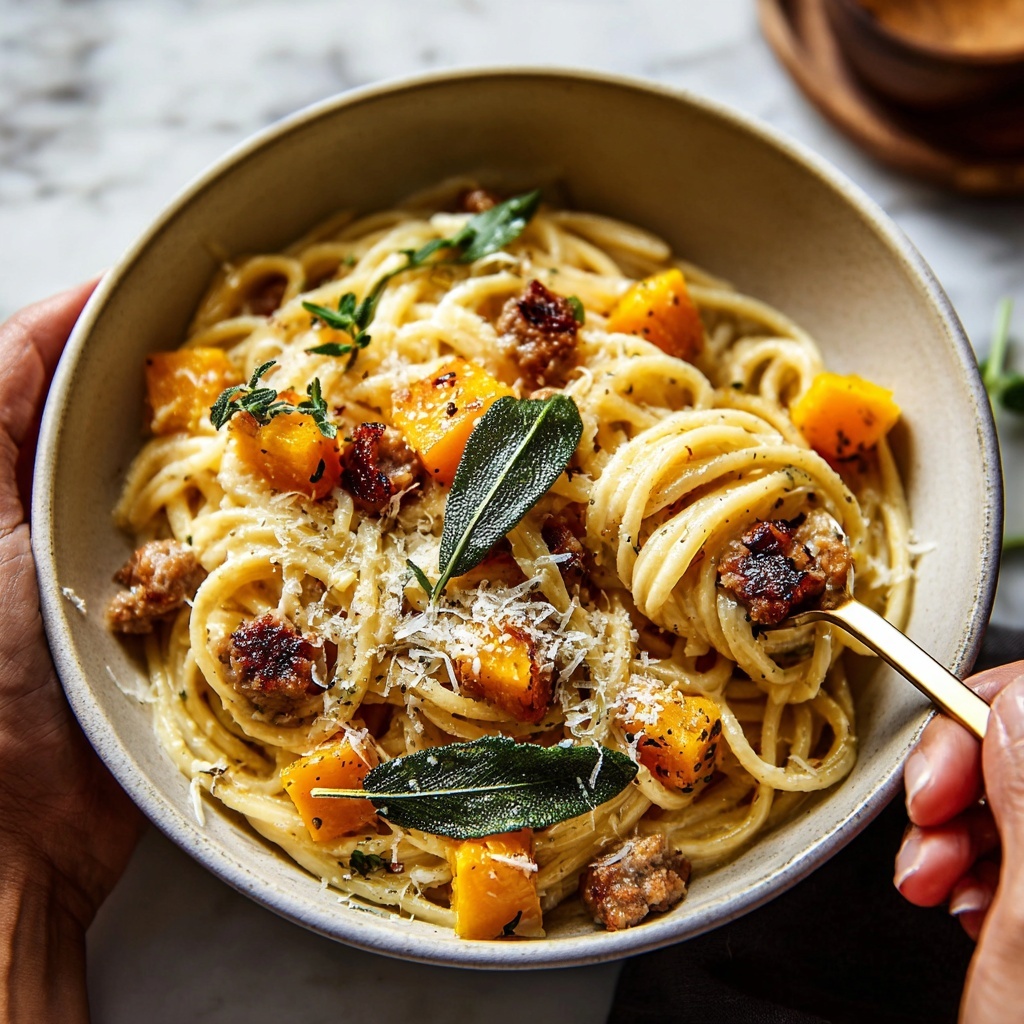
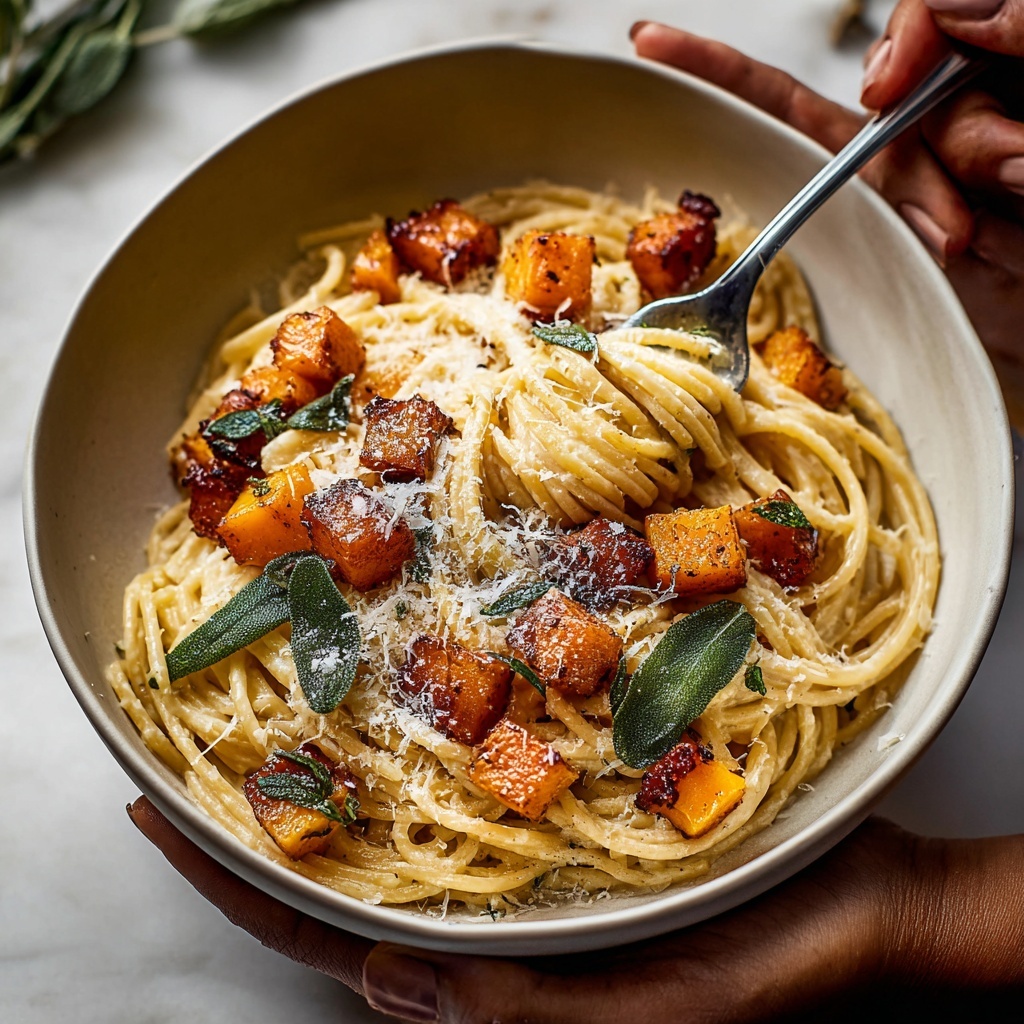
If you are craving a comforting yet refined pasta dish that bursts with seasonal flavors, look no further than this Roasted Butternut Squash and Sage Pasta Recipe. It blends the natural sweetness of roasted butternut squash with the aromatic earthiness of fresh sage, all enveloped in a creamy Parmesan coating. This dish feels like a warm hug on a plate and is perfect for cozy dinners that impress without much fuss. Whether you’re a pasta lover or just exploring ways to elevate simple vegetables, this recipe strikes the ideal balance between rustic charm and elegant flavors.
Ingredients You’ll Need
The magic of this Roasted Butternut Squash and Sage Pasta Recipe lies in its simplicity. Each ingredient plays a vital role in creating the perfect harmony of texture, taste, and color — making the dish appealing to both the eyes and palate.
- Butternut squash: Peeled and cubed, it roasts to caramelized perfection adding sweetness and softness.
- Pasta (penne or fettuccine): Al dente pasta provides the perfect foundation, offering that ideal bite and mouthfeel.
- Olive oil: Used for roasting and sautéing, it adds richness and helps meld flavors together.
- Fresh sage: Chopped and sautéed, it introduces an earthy, herbal note that brightens the dish.
- Parmesan cheese: Grated in at the end, it lends a salty, nutty creaminess that ties everything beautifully.
- Salt and pepper: Simple seasonings that enhance all the natural flavors without overpowering them.
- Optional walnuts: Toasted walnuts add a delightful crunch and extra depth, perfect for texture contrast.
How to Make Roasted Butternut Squash and Sage Pasta Recipe
Step 1: Roast the Butternut Squash
Start by preheating your oven to 400°F (200°C). Toss the cubed butternut squash with olive oil, salt, and pepper on a baking sheet, making sure each piece is evenly coated. Roasting it for 25 to 30 minutes transforms the squash into tender, caramelized morsels bursting with natural sweetness — a key flavor that really shines in this pasta.
Step 2: Cook the Pasta
While the squash is roasting, cook your pasta according to the package directions until al dente. Don’t forget to reserve a cup of the pasta water before draining, as this starchy liquid will help create a luscious sauce that coats every strand perfectly.
Step 3: Sauté the Sage
In a skillet over medium heat, warm some olive oil and sauté the chopped fresh sage for about one minute. This quick step unlocks the herb’s fragrant oils, infusing the oil with its deep, woodsy aroma that elevates the entire dish.
Step 4: Combine Pasta and Roasted Squash
Add the roasted butternut squash and cooked pasta to your skillet with the sage oil. Gently toss everything together, adding reserved pasta water a little at a time to achieve a creamy, silky texture. This method ensures each bite is rich without requiring heavy cream.
Step 5: Finish with Parmesan
Finally, stir in the grated Parmesan cheese until it melts smoothly into the pasta and squash mixture. This step brings a nutty, salty depth that binds all the ingredients together in a comforting, flavorful dish.
How to Serve Roasted Butternut Squash and Sage Pasta Recipe
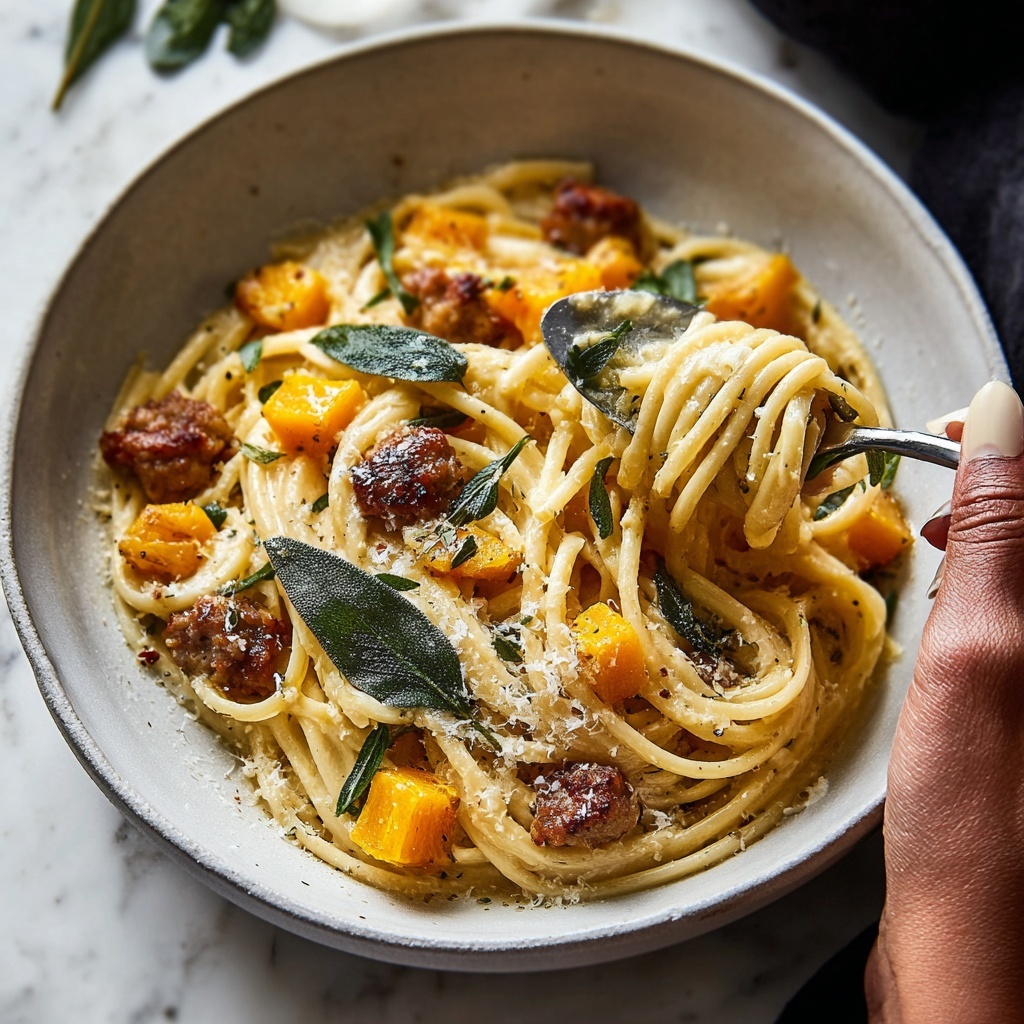
Garnishes
To add an extra touch of flair and texture, sprinkle toasted walnuts on top just before serving. A little cracked black pepper and a fresh sage leaf can also brighten the presentation and provide small bursts of additional flavor as you eat.
Side Dishes
This pasta pairs wonderfully with simple green salads featuring lemony vinaigrettes or steamed seasonal greens like kale or broccoli rabe. A crusty loaf of bread also complements the dish well, perfect for soaking up any leftover Parmesan-infused sauce.
Creative Ways to Present
For a cozy dinner party, plate the pasta in shallow bowls and garnish each serving with fresh sage leaves and a shaving of Parmesan. You can also drizzle a touch of brown butter over top for an even more decadent twist that amplifies the nutty flavors in the squash and sage.
Make Ahead and Storage
Storing Leftovers
Keep any leftovers in an airtight container in the refrigerator for up to 3 days. The flavors continue to mellow and blend, making for tasty meals even the next day.
Freezing
Although this pasta is best enjoyed fresh, you can freeze portions if needed. Use freezer-safe containers and consume within 1 month. When thawing, do so overnight in the fridge for best texture retention.
Reheating
Warm leftovers gently on the stove over low heat, adding a splash of water or broth to restore the creamy sauce consistency. Avoid microwaving without stirring halfway through to prevent uneven heating.
FAQs
Can I use a different type of squash?
Yes! While butternut squash has a perfect sweetness and texture for this recipe, you can experiment with delicata or kabocha squash, though cooking times may vary slightly.
Is this dish suitable for vegetarians?
Absolutely. The recipe is naturally vegetarian, relying on cheese rather than meat for richness. For vegans, you can substitute Parmesan with a plant-based alternative or nutritional yeast.
What pasta type works best?
Penne and fettuccine are great choices because they hold the sauce well, but feel free to use any shape you love—rigatoni, farfalle, or even spaghetti can work beautifully.
Can I add protein to this dish?
Definitely! Grilled chicken, crispy pancetta, or sautéed mushrooms make wonderful additions if you want to turn it into a heartier meal.
How do I make the sauce creamier without cream?
The reserved pasta water combined with the olive oil and Parmesan creates a naturally creamy sauce. Adding the starchy pasta water gradually lets you control the consistency without heavy cream.
Final Thoughts
There is something so soothing and satisfying about the Roasted Butternut Squash and Sage Pasta Recipe that makes it a true kitchen favorite. It’s simple to prepare, full of vibrant autumnal flavors, and rich enough to feel indulgent without being heavy. I hope you enjoy making and sharing this warm, inviting dish as much as I do — it’s bound to become a staple in your recipe collection.
Print
Roasted Butternut Squash and Sage Pasta Recipe
- Prep Time: 10 minutes
- Cook Time: 30 minutes
- Total Time: 40 minutes
- Yield: 4 servings
- Category: Main Course
- Method: Roasting
- Cuisine: Italian
- Diet: Vegetarian
Description
A comforting and flavorful Roasted Butternut Squash and Sage Pasta recipe that combines tender roasted squash with aromatic sage, olive oil, and Parmesan cheese for a creamy, satisfying vegetarian meal perfect for fall and winter evenings.
Ingredients
Vegetables
- 1 medium butternut squash, peeled and cubed
- 2 tablespoons fresh sage, chopped
Pasta
- 8 ounces pasta (penne or fettuccine)
Oils and Seasonings
- 2 tablespoons olive oil
- Salt and pepper to taste
Cheese and Optional Additions
- 1/2 cup grated Parmesan cheese
- Optional: 1/4 cup walnuts, toasted
Instructions
- Preheat and prepare squash: Preheat your oven to 400°F (200°C). On a baking sheet, toss the cubed butternut squash with olive oil, salt, and pepper. Spread the cubes evenly to ensure even roasting.
- Roast squash: Roast the butternut squash in the preheated oven for about 25-30 minutes, or until tender and golden brown, stirring halfway through for uniform cooking.
- Cook pasta: While the squash roasts, cook the pasta in boiling salted water according to package instructions until al dente. Reserve about 1/4 cup of the pasta cooking water before draining the pasta.
- Sauté sage: In a skillet over medium heat, heat olive oil and sauté the chopped sage for about 1 minute until it becomes fragrant and releases its flavor into the oil.
- Combine and toss: Add the roasted butternut squash and cooked pasta to the skillet with the sage. Gently toss everything together, adding reserved pasta water as needed to create a creamy texture that coats the pasta well.
- Add Parmesan and serve: Stir in the grated Parmesan cheese until well combined and heated through. Optionally, sprinkle toasted walnuts on top before serving. Serve hot and enjoy this comforting dish.
Notes
- You can substitute penne or fettuccine with other pasta shapes like rigatoni or farfalle.
- Adding toasted walnuts adds a nice crunch and depth of flavor but can be omitted for nut-free versions.
- Use freshly grated Parmesan for the best taste and texture.
- Reserve pasta water carefully to adjust the creaminess as desired.
- This recipe pairs well with a simple green salad or garlic bread.